Wrought Iron vs. Steel vs. Aluminum Gates: Which Is Right for Your Philadelphia Home?
Choosing the right material for your entry or driveway installation is one of the most practical decisions a Philadelphia homeowner can make, and the three most common options each bring real trade-offs worth understanding before you commit. Whether you are securing a South Philly row home alley, adding a decorative walkway entry in Bella Vista, or protecting a driveway in Passyunk Square, understanding the differences between wrought iron, steel, and aluminum can save you money, time, and regret. This guide covers durability, maintenance, curb appeal, and how each material fits the character of Philadelphia, PA, homes.
What Are the Key Differences Between Wrought Iron, Steel, and Aluminum Gates?
Each of these three materials serves a different mix of needs. Wrought iron is the traditional choice, steel is the heavy-duty modern workhorse, and aluminum is the lightweight low-maintenance option. Knowing where each material shines helps you match the right gate to your property.
Wrought Iron Gates
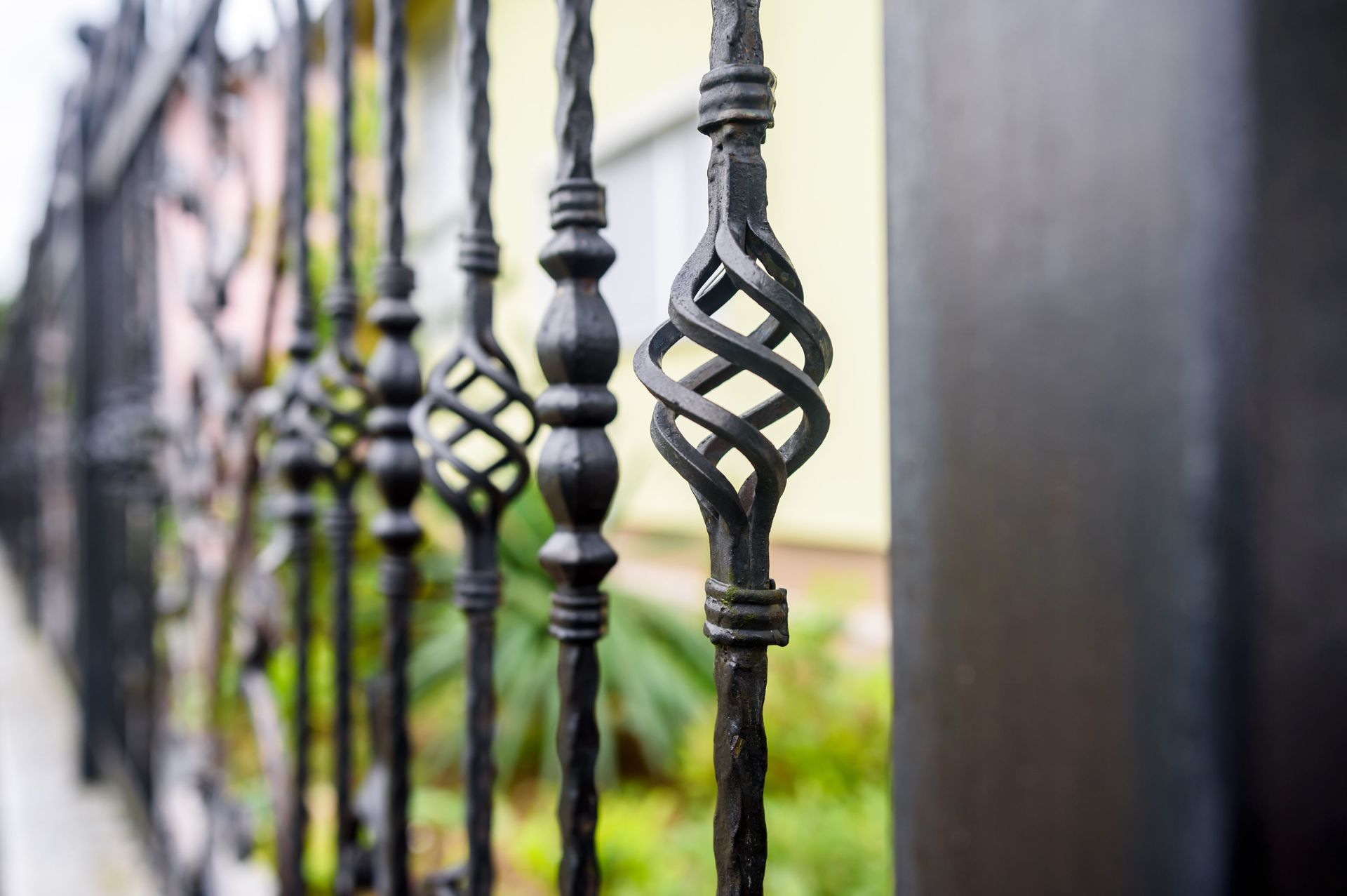
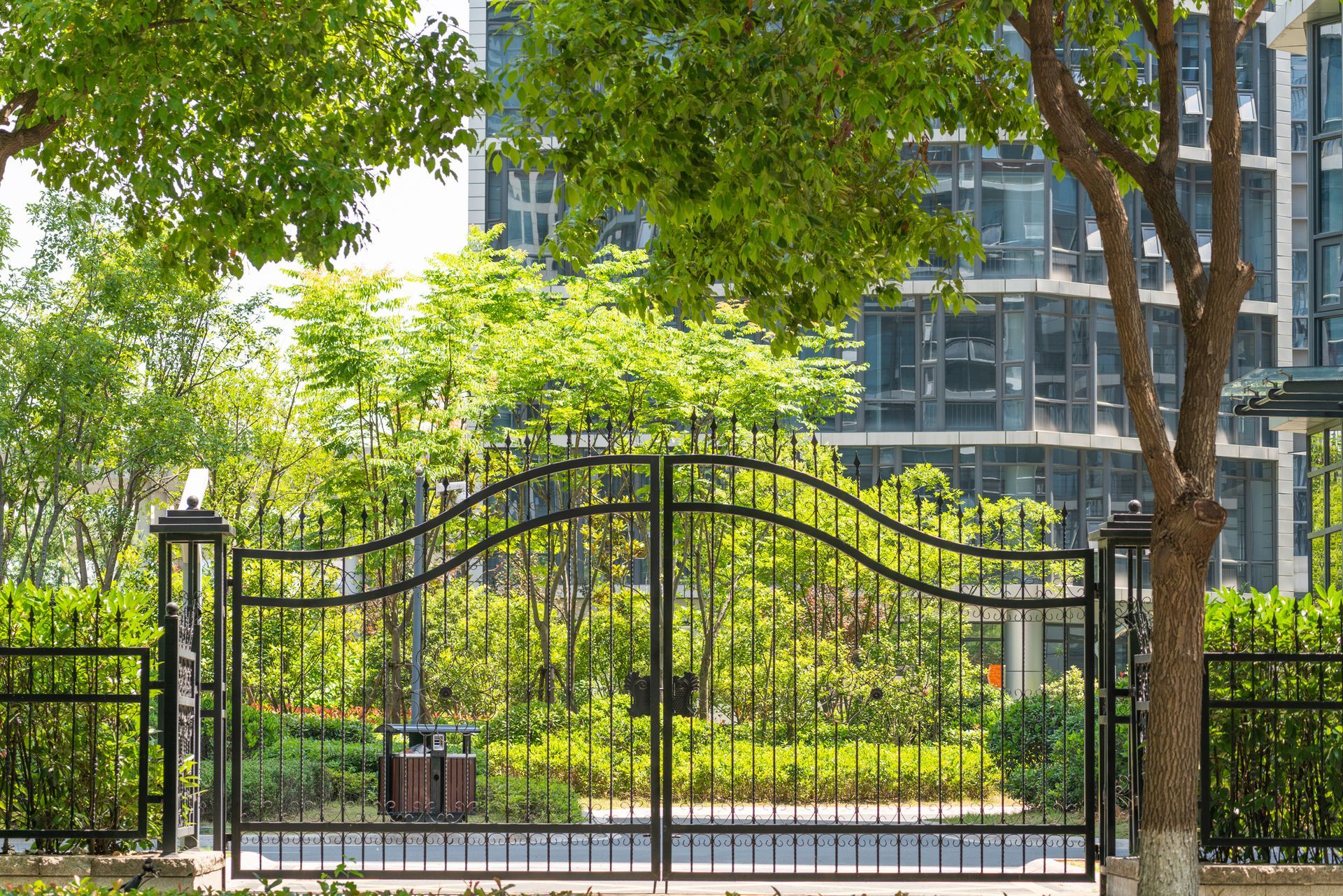
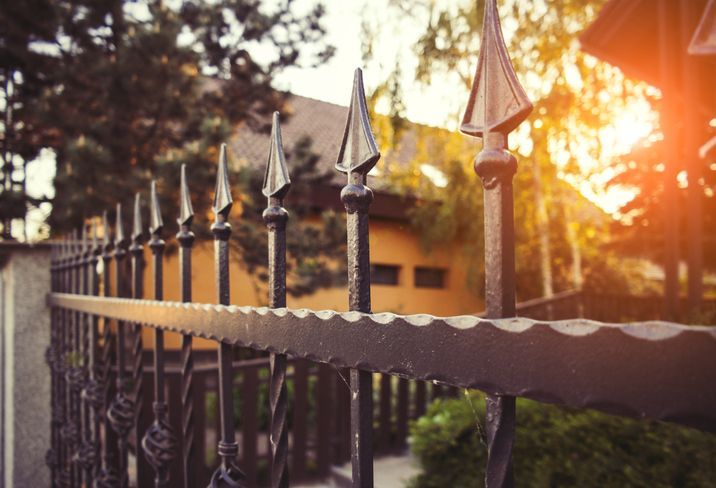
Wrought iron has defined Philadelphia's streetscape for generations. The ornate fences and ironwork lining row homes in neighborhoods like Rittenhouse Square and Society Hill often date back decades, and they still hold up because wrought iron is extraordinarily dense and malleable. Skilled fabricators can work it into scrollwork, spear tops, and custom decorative shapes that suit historic architecture beautifully.
The trade-off is maintenance. Wrought iron can rust when moisture works through bare metal, which matters in a city that sees humid summers and wet winters. Regular painting or powder coating can protect the surface and extend the life of the installation significantly. With proper upkeep, wrought iron may last for generations.
Steel Gates
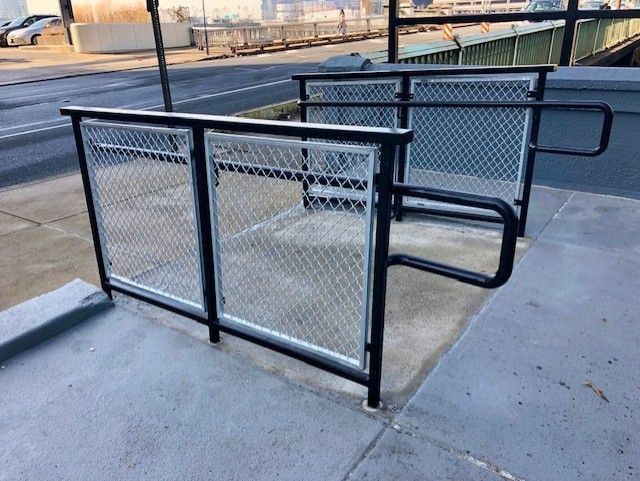
Steel is wrought iron's stronger, more affordable relative. Modern mild steel can be fabricated into nearly any style, from sleek contemporary panels to traditional picket designs, and it tends to cost less than true wrought iron for comparable dimensions. Steel is often the go-to material for driveway enclosures, security barriers for commercial alleys, and reinforced entry points where strength matters most.
Like wrought iron, steel requires protective finishes to resist rust. A quality powder-coat finish applied after fabrication can seal the surface and hold up well against Philadelphia's freeze-thaw cycles and road salt exposure near sidewalks. Steel is generally heavier than aluminum, which may influence hardware choices and installation complexity.
Aluminum Gates
Aluminum will not rust. That single fact makes it appealing for homeowners who want minimal ongoing maintenance. It is also significantly lighter than iron or steel, which makes it easier to hang and easier on hinge hardware over time.
The downside is strength. Aluminum is softer and more prone to bending under impact than wrought iron or steel. It can be a solid choice for decorative garden entries or pool enclosure installations in Philadelphia neighborhoods where security demands are moderate. Powder-coat finishes on aluminum tend to hold color well and can mimic the look of painted iron from a distance.
Which Gate Material Is Right for Your Philadelphia Home?
The right choice depends on your property type, your neighborhood's architectural character, and how much upkeep you are willing to do. Here is how the three materials compare:
Strength: Wrought iron is the strongest of the three, steel is close behind, and aluminum offers only moderate strength.
Rust resistance: Aluminum is excellent and will not rust, while both wrought iron and steel are prone to rust without a protective coating.
Maintenance: Aluminum requires the least upkeep, steel is moderate, and wrought iron demands the most attention.
Weight: Wrought iron and steel are both heavy, while aluminum is light and easier on hinges and hardware.
Customization: Wrought iron offers excellent design flexibility, steel is very good, and aluminum is good.
Historic aesthetic fit: Wrought iron blends best with Philadelphia's historic architecture, steel is a good match, and aluminum is a fair one.
Finish: All three materials accept a powder-coat finish.
Options for Historic and Row Home Properties
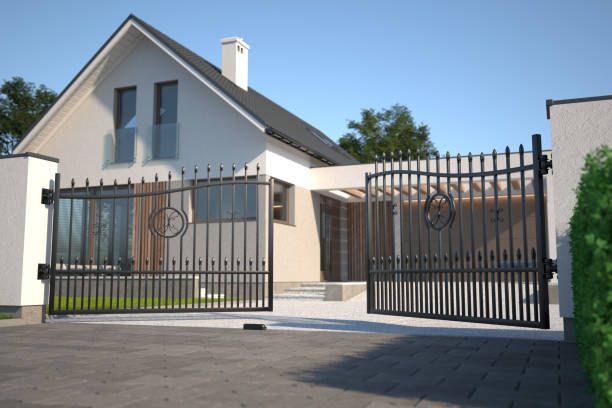
Philadelphia has one of the largest concentrations of historic row homes in the United States. Properties in neighborhoods such as Queen Village, Washington Square West, and Fishtown often have narrow alleys, small front yards, and architectural details that call for a traditional material. Wrought iron or steel with ornamental detailing tends to blend naturally with brick facades, original ironwork, and period-appropriate design.
If your property falls under Philadelphia Historical Commission guidelines, material and design choices may need to align with the existing character of the block. A fabricator familiar with local requirements can help you navigate that process.
Options for Contemporary and Suburban-Style Properties
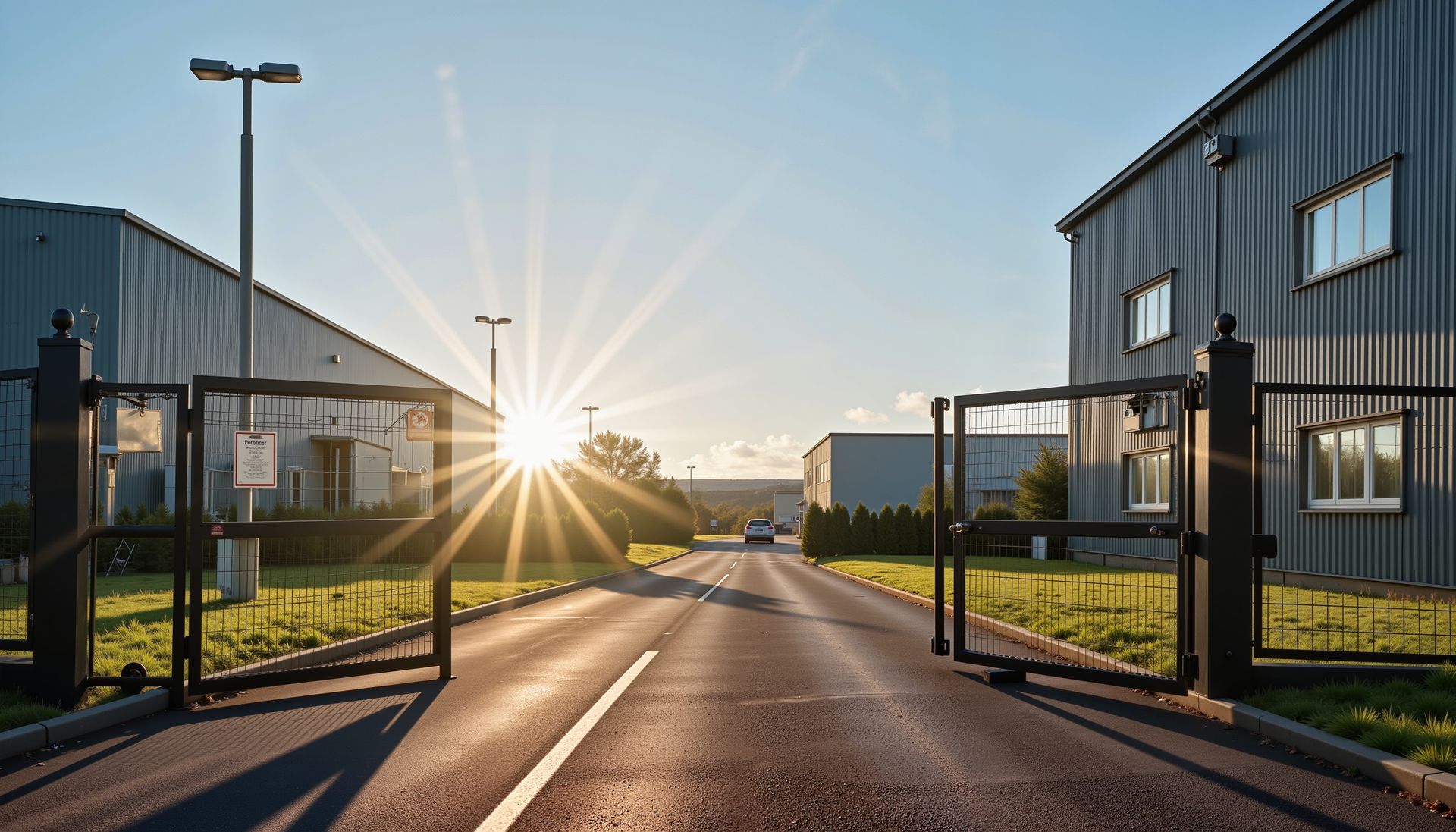
Homeowners in newer construction areas or in neighborhoods where a cleaner, modern look fits the streetscape may find that steel panels or aluminum picket designs are a better match. Both materials can be finished in any color and fabricated with straight, geometric lines rather than decorative curves.
Powder-Coat Finishes and Color Options
All three materials can accept a powder-coat finish, which bonds color directly to the metal surface and provides a durable, chip-resistant barrier. A wide range of colors is available, from classic matte black to custom tones that match your home's exterior palette. Powder coating can also reduce the frequency of repainting for iron and steel, lowering long-term maintenance demands across all three material types.
Ready to Choose Your Gate? Start Here
Anvil Iron Works has been designing, manufacturing, and installing custom ornamental ironwork in Philadelphia since 1940. Whether you are leaning toward classic wrought iron or exploring steel and aluminum options, the team can help you find the right fit for your property and budget. Browse the
fences and gates gallery to see completed projects, or
reach out directly to request a free estimate. Call
(215) 468-8300 to get started.